
How to Choose a DPT Program: 6 Factors to Consider
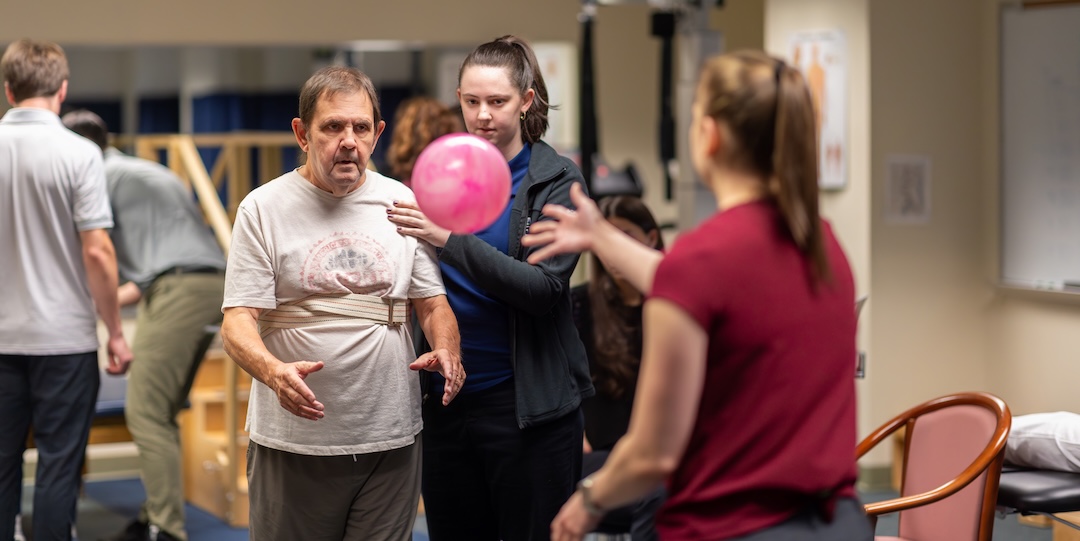
Whether you're just starting your search or narrowing down your top choices, understanding what matters most can help you make a confident, informed decision.
Here are six key factors to consider as you evaluate Doctor of Physical Therapy programs.
1. CAPTE Accreditation
Before anything else, confirm that each program you’re considering is accredited by the Commission on Accreditation in Physical Therapy Education (CAPTE). Accreditation ensures that the curriculum, faculty qualifications, and clinical training meet national standards. Graduating from a CAPTE-accredited program is also required for licensure in every state.Tip: If a program is only in the candidacy phase of accreditation, ask questions about its timeline, pass rates, and outcomes.
2. Curriculum Quality and Structure
High-quality DPT programs offer a strong blend of foundational science, clinical skills, and evidence-based practice. When researching curriculum:- Review course sequences to see how quickly you will transition into hands-on learning.
- Look for an emphasis on evidence-based practice, research literacy, and problem-solving.
- Explore what areas of specialization are included, such as sports PT, pediatrics, orthopedics, neurology, or geriatrics.
Elevate Your Expertise
Unlock new opportunities and expand your skills with an education designed for your future. Get started today!
Request Information3. Clinical Education Opportunities
Clinical experiences are at the heart of all DPT programs. They allow you to apply classroom knowledge in real patient care settings under the supervision of licensed professionals.Key questions to ask:
- How many clinical hours will you complete?
- Do rotations span diverse settings—such as outpatient clinics, hospitals, rehab centers, and specialty practices?
- Does the program have long-standing partnerships with reputable clinical sites?
- How early do students begin clinical rotations?
The best programs offer diverse, high-quality placements that foster confidence and competence.
4. Faculty Expertise and Mentorship
Faculty have a tremendous impact on your educational experience. Strong DPT programs are staffed by professors who are:- Experienced clinicians
- Active researchers
- Engaged mentors
- Specialists in areas like orthopedics, sports medicine, neurology, pediatrics, or cardiopulmonary rehabilitation
5. Student Outcomes and Program Recognition
Good outcomes reflect program quality. When comparing DPT programs, look for transparent data, including:- NPTE (National Physical Therapy Exam) pass rates
- Graduation rates
- Employment rates
- Alumni success stories
- Student satisfaction surveys
6. Cost, Location and Program Length
Practical factors also matter:- Cost & Financial Aid: Compare tuition, fees, and scholarship opportunities.
- Program Length: Most DPT programs run 2.5–3 years.
- Location: Think about cost of living, access to transportation, and proximity to clinical sites.
If possible, attend an open house, tour campus facilities, and speak with current students or recent graduates. They can offer real insight into:
- Workload expectations
- Support services
- Faculty accessibility
- Clinical experience quality
These conversations often reveal what brochures and websites cannot.
How Does The University of Scranton's DPT Program Stand Out?
Scranton’s Doctor of Physical Therapy program distinguishes itself through exceptional facilities, deep-rooted service commitments, hands-on clinical experiences, and an educational philosophy centered on caring for the whole person.
State-of-the-Art Learning Environment
Housed in Leahy Hall, the DPT program offers an immersive learning experience supported by computer-mediated classrooms and fully equipped laboratories. Students train with a variety of rehabilitation technology devices to prepare them for clinical practice, including:
- A high-fidelity patient simulation manikin
- BlazePod® reaction training system
- Oculus Quest 2 VR headsets
- SWAY balance and cognition tool
- Body-worn movement sensors
- Computerized dynamic posturography system
A Commitment to Service
Service is woven into the fabric of Scranton’s DPT program. Faculty and students work alongside one another to serve diverse and underserved populations, both in the local community and abroad. Guided by the Jesuit value of promoting social justice “for and with others,” these experiences help students grow as compassionate, socially responsible clinicians.
Student-Run Pro Bono PT Clinic
Scranton’s student-led Leahy Physical Therapy Clinic offers an invaluable opportunity to apply classroom knowledge in a real-world setting. Under the supervision of licensed physical therapists, DPT students provide evidence-based care to uninsured and underinsured patients while developing clinical reasoning, mentorship skills, and professional confidence.
Faculty-Directed Student Research
Research is a core component of Scranton's curriculum. Through a three-course Scientific Inquiry series, students collaborate in small groups under the guidance of a Faculty Research Advisor to answer clinically relevant research questions. Their systematic reviews are regularly accepted for presentation at national conferences—typically with acceptance rates between 90% and 100%—and are showcased annually on campus during DPT Research Night.
"Cura Personalis" -- Care for the Whole Person
Reflecting the Jesuit tradition, the program emphasizes cura personalis, or care for the whole person. Each student is paired with a dedicated faculty advisor who provides academic, wellness, and professional mentorship throughout all three years of the program, ensuring personalized support and holistic growth.
Exceptional Licensing Exam Outcomes
The program’s commitment to excellence is reflected in its consistently high NPTE pass rates. Recent cohorts have achieved first-time pass rates above 90%, with ultimate pass rates reaching 97–100% within one year of graduation. Early testers have achieved a remarkable 100% pass rate for three consecutive years.
Choose the Right Path Forward
Selecting among the numerous DPT programs available is a significant decision, but taking the time to carefully evaluate each option will help you find the right fit. By focusing on accreditation, curriculum quality, clinical opportunities, faculty expertise, and student outcomes, you'll be well-equipped to choose a Doctor of Physical Therapy program that prepares you for a successful and fulfilling career in the field.Ready to take the next step? Explore The University of Scranton’s Doctor of Physical Therapy program today!
Take the Next Step
Your goals are within reach. Now is the time to make your next move and turn ambition into achievement.
Related Content

How to Become a Psychiatric Nurse Practitioner: Your Guide to Making a Difference
Discover how to become a nurse practitioner, from earning your graduate degree to obtaining certification and licensure. Learn the steps, career benefits, and opportunities to make a lasting impact on patient care.

Things to Look for When Comparing Online MHA Programs
What makes a strong online MHA program? Learn how to evaluate accreditation, flexibility and career outcomes to find your best fit.

Where Do Behavior Analysts Work? Exploring ABA Careers
Learn about the field of applied behavior analysis , where behavior analysts work, and how to become certified. Explore Scranton's online programs.
Request More Information
Whether you're curious about The University of Scranton application process, admission requirements, tuition and financial aid, or specific program details, we're here to help.
Fill out this form, and we'll be in touch shortly.
By submitting this form, I am providing my express consent authorizing The University of Scranton and their representatives to contact me by email, phone, or text (including use of automatic dialing system) at the home or cell phone number above. Consent is needed to contact you but is not a requirement to register or enroll. Standard text messaging and/or data rates may apply.