
How to Become a Psychiatric Nurse Practitioner: Your Guide to Making a Difference
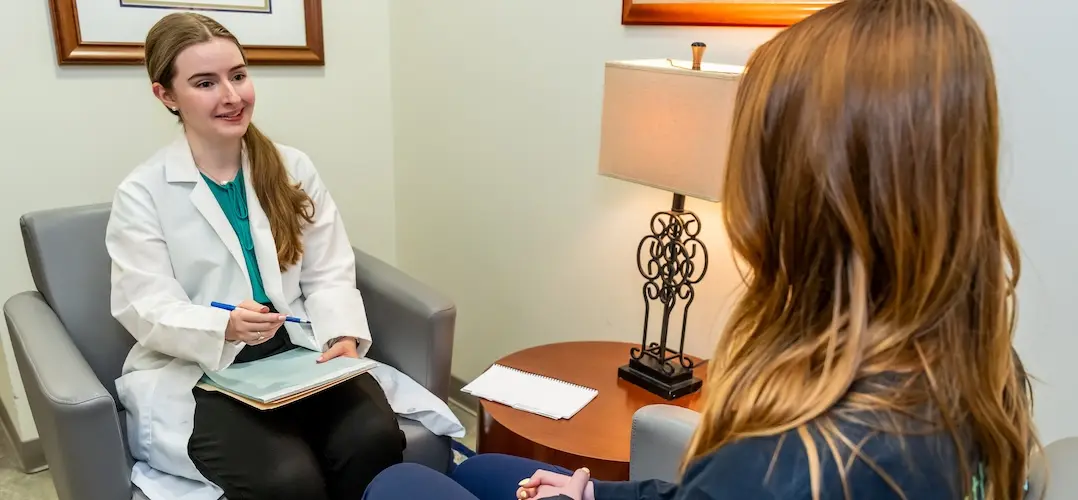
Mental health care has never been more important. As awareness of mental health challenges continues to grow, so does the need for compassionate, highly trained professionals who can provide specialized psychiatric care. For registered nurses seeking a meaningful and rewarding career path, becoming a psychiatric mental health nurse practitioner (PMHNP) offers the opportunity to make a meaningful impact in patients’ lives.
If you’ve been researching how to become a psychiatric nurse practitioner, understanding the educational pathway, clinical requirements and certification process is the first step toward achieving your goals. This guide outlines the journey to becoming a PMHNP and how advanced nursing education can prepare you for success in this rapidly expanding field.
What Does a Psychiatric Nurse Practitioner Do?
Psychiatric mental health nurse practitioners are advanced practice registered nurses who assess, diagnose and treat patients with mental health conditions. PMHNPs work with people across the lifespan -- from children to older adults -- and provide care for conditions such as anxiety, depression, PTSD, substance use disorders, bipolar disorder, and schizophrenia.
Depending on state regulations and practice settings, PMHNPs may:
- Conduct psychiatric evaluations
- Develop treatment plans
- Provide psychotherapy and counseling
- Prescribe medications
- Collaborate with interdisciplinary healthcare teams
- Educate patients and families about mental health management
PMHNPs are employed in hospitals, outpatient clinics, private practices, community mental health centers, and telehealth settings. The role combines clinical expertise with compassionate patient advocacy, making it one of the most impactful specialties in nursing.
Elevate Your Expertise
Unlock new opportunities and expand your skills with an education designed for your future. Get started today!
Request InformationPsychiatric Nurse Practitioner Education
To work as a PMHNP, registered nurses must complete advanced nursing education -- either a Master of Science in Nursing (MSN) or Doctor of Nursing Practice (DNP), each with a psychiatric mental health nurse practitioner specialization. Nurses who already hold an MSN in another specialty can complete a PMHNP post-master’s certificate.PMHNP programs prepare nurses for advanced clinical practice through coursework and supervised clinical experiences focused on mental health care. Students typically study topics such as:
- Advanced pathophysiology
- Psychiatric assessment and diagnosis
- Psychopharmacology
- Individual and group therapy
High-quality PMHNP programs also emphasize leadership, interprofessional collaboration, and holistic patient care.
Clinical Training for Psychiatric Nurse Practitioner Students
A critical component of becoming a PMHNP is completing supervised clinical experiences. Psychiatric nurse practitioner training allows students to apply classroom knowledge in real-world healthcare settings under the guidance of experienced preceptors.Clinical training often includes experience in:
- Outpatient behavioral health clinics
- Inpatient psychiatric units
- Community mental health centers
- Addiction treatment facilities
- Telepsychiatry settings
During clinical rotations, students develop skills in psychiatric assessment, medication management, psychotherapy techniques, and treatment planning for patients across the lifespan.
These immersive experiences help future PMHNPs gain confidence and clinical competence while building professional networks within the mental health field.
PMHNP Certification and Licensure
After completing an accredited graduate nursing program, aspiring PMHNPs must become board certified.Students can obtain:
- Psychiatric-Mental Health Nurse Practitioner (Across the Lifespan) Certification (PMHNP-BC) offered by the American Nurses Credentialing Center (ANCC).
- PMHNP certification from the American Academy of Nurse Practitioners Certification Board (AANPCB).
Both certifications are nationally recognized and accepted for licensure.
The ANCC exam is broader in scope and includes topics like ethical practice, healthcare policy and nursing research, in addition to content about clinical practice.
The AANP exam focuses more on patient assessment, diagnosis and management in clinical settings. It’s ideal for graduates who want to work specifically in direct patient care settings.
Passing a certification exam demonstrates advanced clinical knowledge and competency in psychiatric mental health care.
Graduates must also apply for advanced practice licensure in the state where they intend to practice. Licensing requirements vary by state, but generally include:
- Active RN licensure
- Completion of an accredited graduate nursing program
- National PMHNP certification
- Background checks and state application requirements
Once licensed and certified, PMHNPs can begin practicing in a variety of healthcare settings.
Why Demand for PMHNPs Continues to Grow
Mental health provider shortages across the United States have increased demand for highly trained psychiatric nurse practitioners. Patients in both urban and rural communities often face limited access to mental health services, creating opportunities for PMHNPs to play a critical role in expanding care.The Bureau of Labor Statistics (BLS) projects that the employment of nurse practitioners, including PMHNPs, will grow much faster than the average for all occupations, with a projected growth rate of about 35% from 2024 to 2034.
In addition to strong job growth, PMHNPs enjoy:
- Competitive salaries
- Career flexibility
- Opportunities for further specialization
- Meaningful patient relationships
- The ability to improve community health outcomes
For nurses who are passionate about mental health advocacy and holistic patient care, the PMHNP pathway offers both professional fulfillment and long-term career stability.
Choosing the Right PMHNP Program
When researching programs, prospective students should look for an MSN-PMHNP curriculum that combines academic rigor with strong clinical preparation and student support.Key factors to consider include:
- Accreditation status
- Clinical placement support
- Faculty expertise
- Flexible course delivery options
- Certification exam preparation
- Student outcomes and support services
The University of Scranton’s PMHNP master’s program and doctoral program are designed to help nurses build the advanced clinical knowledge and leadership skills needed to succeed in today’s evolving mental healthcare environment. Flexible learning options and supportive faculty help working nurses balance graduate education with professional and personal responsibilities.
Through comprehensive online coursework, two immersive campus-based experiences, and hands-on clinical preparation, students are well-prepared to enter the field.
Open the Door to a Meaningful Career in Mental Health
By pursuing advanced psychiatric nurse education and completing comprehensive psychiatric nurse practitioner training, you can develop the expertise needed to support patients, families, and communities facing mental health challenges every day.
A strong PMHNP program can prepare you to provide life-changing mental health care while advancing your nursing career in a rapidly growing specialty.
Learn more about how the University of Scranton’s MSN-PMHNP program can help you achieve your professional goals and prepare for a rewarding future in psychiatric mental health nursing.
Take the Next Step
Your goals are within reach. Now is the time to make your next move and turn ambition into achievement.
Related Content

Things to Look for When Comparing Online MHA Programs
What makes a strong online MHA program? Learn how to evaluate accreditation, flexibility and career outcomes to find your best fit.

Where Do Behavior Analysts Work? Exploring ABA Careers
Learn about the field of applied behavior analysis , where behavior analysts work, and how to become certified. Explore Scranton's online programs.

Types of Communication Disorders That Speech-Language Pathologists Treat
Explore the diverse communication disorders treated by speech-language pathologists, from speech sound issues to swallowing difficulties.
Request More Information
Whether you're curious about The University of Scranton application process, admission requirements, tuition and financial aid, or specific program details, we're here to help.
Fill out this form, and we'll be in touch shortly.
By submitting this form, I am providing my express consent authorizing The University of Scranton and their representatives to contact me by email, phone, or text (including use of automatic dialing system) at the home or cell phone number above. Consent is needed to contact you but is not a requirement to register or enroll. Standard text messaging and/or data rates may apply.