
Types of Communication Disorders That Speech-Language Pathologists Treat
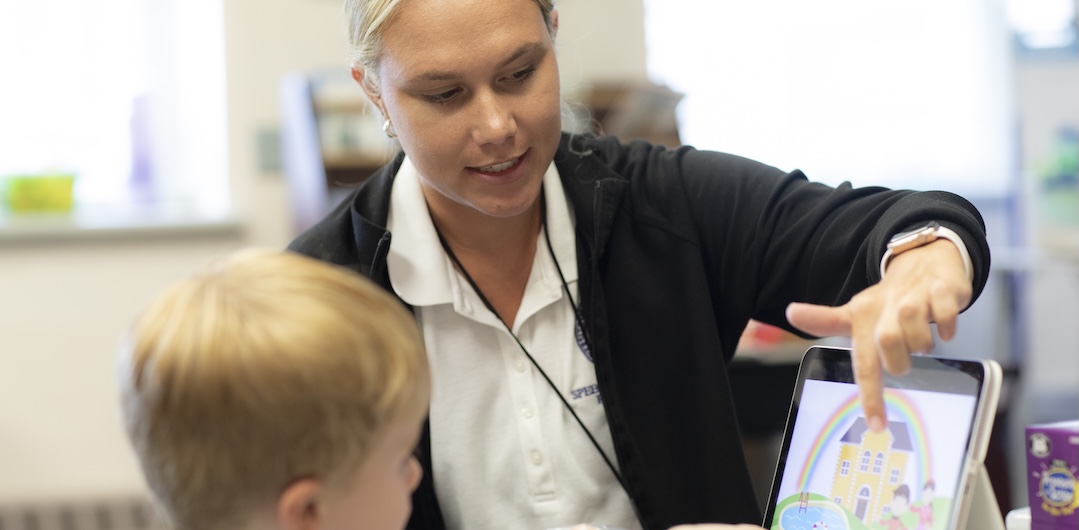
Communication disorders refer to a broad range of impairments in which a person has trouble understanding, sending or processing information through speech, language or other forms of communication. They can range from mild to severe, develop over time or happen suddenly, and occur on their own or with other conditions.
Speech-language pathologists are trained to assess, diagnose and treat these conditions in children and adults.
Here are some of the main types of disorders that SLPs treat.
Speech Sound Disorders
Speech disorders affect how people produce sounds and put them together into words. They can include:- articulation and phonological disorders - difficulty with the production of speech sounds and the linguistic aspects of speech production
- apraxia of speech – a disorder that occurs when the brain has trouble telling the mouth muscles to move (sometimes due to brain damage)
- dysarthria – muscle weakness in the face, lips, tongue and throat that make speaking difficult
Fluency Disorders
Fluency disorders disrupt the flow of speech.
The best-known example is stuttering, where people may repeat parts of a word, get stuck before starting a word or stretch out one sound in a word for a long time. Stuttering usually begins in early childhood, between the ages of two and six.
Another type is cluttering, when people might speak rapidly, frequently add sounds like “uh” and “um,” or repeat words or phrases in a sentence.
Language Disorders
Language disorders involve difficulty understanding or using words and sentences. These can be receptive (trouble understanding spoken or written language) or expressive (trouble using language) or both. In children, this might show up as developmental language disorder. In adults, this is commonly called aphasia, occurring after strokes and other brain injuries.
Elevate Your Expertise
Unlock new opportunities and expand your skills with an education designed for your future. Get started today!
Request InformationVoice Disorders
Voice disorders affect the quality, pitch, or volume of the voice. A person might sound hoarse, breathy, too loud, or too quiet. These issues can result from vocal strain, medical conditions or neurological disorders. SLPs often work alongside medical professionals to address the underlying cause and improve vocal health.
Cognitive Communication Disorders
These are impairments to certain thinking skills -- like memory, attention and organization – that make it difficult to communicate. They often occur after a traumatic brain injury or certain neurological conditions. Therapy focuses on improving functional communication in everyday life.
Swallowing Disorders
While it may surprise some, many SLPs also treat swallowing disorders. Also known as dysphagia, difficulty with swallowing affects a person’s ability to eat and drink safely, typically because of medical or neurological conditions like stroke, Parkinson’s disease and multiple sclerosis. SLPs assess a patient’s swallowing function and develop treatment plans that address safety and nutrition.
Social Communication Disorder
People affected by social communication disorder have trouble using verbal and nonverbal language for social purposes. This often includes people with autism and individuals who have suffered traumatic brain injuries.Social communication skills include capabilities like:
- understanding and using rules for verbal and nonverbal communication
- adjusting speech style based on context
- understanding the perspectives of others
People with social communication disorder have difficulty with these skills and often find it hard to participate in social settings or perform well in school or in a job.
How Speech-Language Pathologists Help
Speech-language pathologists play a key role in helping people connect with others, express themselves, and participate fully in daily life. Whether working with a toddler learning their first words or an adult recovering from a medical event, SLPs provide support that can make communication more accessible and meaningful.Beyond improving speech or language skills, their work often has a ripple effect—supporting academic success, strengthening relationships and boosting overall quality of life. They collaborate with families, teachers, physicians, and other professionals to create personalized, functional goals that matter in real-world contexts. Just as importantly, SLPs empower people with strategies and confidence, helping them navigate communication challenges that are relevant and significant in their lives.
As awareness of communication disorders continues to grow, so does the need for skilled professionals in the field. If you’re ready to turn your interest into a career, explore The University of Scranton’s online Speech-Pathology MS.
Your future in helping others find their voice starts here!
Take the Next Step
Your goals are within reach. Now is the time to make your next move and turn ambition into achievement.
Related Content
How to Become a Psychiatric Nurse Practitioner: Your Guide to Making a Difference
Discover how to become a nurse practitioner, from earning your graduate degree to obtaining certification and licensure. Learn the steps, career benefits, and opportunities to make a lasting impact on patient care.

Things to Look for When Comparing Online MHA Programs
What makes a strong online MHA program? Learn how to evaluate accreditation, flexibility and career outcomes to find your best fit.
Where Do Behavior Analysts Work? Exploring ABA Careers
Learn about the field of applied behavior analysis , where behavior analysts work, and how to become certified. Explore Scranton's online programs.
Request More Information
Whether you're curious about The University of Scranton application process, admission requirements, tuition and financial aid, or specific program details, we're here to help.
Fill out this form, and we'll be in touch shortly.
By submitting this form, I am providing my express consent authorizing The University of Scranton and their representatives to contact me by email, phone, or text (including use of automatic dialing system) at the home or cell phone number above. Consent is needed to contact you but is not a requirement to register or enroll. Standard text messaging and/or data rates may apply.