
What is Clinical Rehabilitation Counseling? Understanding the Role, Responsibilities and Rewards

Clinical rehabilitation counseling is a specialized field within counseling that focuses on helping people with physical, mental, developmental, or emotional disabilities achieve their personal, career and independent living goals. It’s a profession rooted in empowerment, inclusion, and advocacy. Practitioners provide essential support to clients in navigating challenges that affect daily living and career opportunities.
But what do clinical rehabilitation counselors do, exactly? How can you pursue a career in this rewarding field? Let’s take a look.
Whether assisting someone recovering from an injury or helping people with disabilities access workplace accommodations, rehabilitation counselors play a vital role in building a path toward self-sufficiency and personal fulfillment.
What Does a Clinical Rehabilitation Counselor Do?
The role of a clinical rehabilitation counselor is multifaceted. Practitioners may tailor their services to meet each client's needs. Here are some of the key responsibilities of the job:- Individual and Group Counseling: Adjusting to a mental/behavioral health concern and/or disability or chronic illness can be emotionally and psychologically challenging. Rehabilitation counselors provide individual and group counseling to help people develop coping strategies, build resilience and manage stress.
- Assessment and Appraisal: Rehabilitation counselors gather information on and then evaluate a client’s strengths, abilities, interests and challenges. They may assess vocational skills, psychological health, and functional capabilities in order to develop an individualized plan for success.
- Career Counseling: One of the goals of rehabilitation counseling is helping clients secure and maintain meaningful employment. Counselors help with career exploration, job readiness training, resume development and interview preparation.
- Case Management, Service Coordination and Advocacy: Counselors connect clients with healthcare providers, social services, community resources and employers. They also advocate for their clients to ensure they receive necessary accommodations and services.
Elevate Your Expertise
Unlock new opportunities and expand your skills with an education designed for your future. Get started today!
Request InformationWhere Do Clinical Rehabilitation Counselors Work?
The rehabilitation counseling profession has diverse career opportunities. Counselors work in a wide variety of public and private settings, including:- Community mental health organizations
- Nonprofit disability service organizations
- Private counseling practices
- State and federal vocational rehabilitation agencies
- Healthcare and residential facilities like hospitals, rehabilitation centers and nursing homes
- Insurance and workers’ compensation programs
Depending on their career goals and state regulations, graduates may pursue state licensure (Licensed Professional Counselor - LPC) or professional certification, such as the Certified Rehabilitation Counselor (CRC) or National Certified Counselor (NCC) credentials.
The University of Scranton’s Clinical Rehabilitation Counseling MS is a 60-credit program that can be completed in two and a half to three years. Students graduating from Scranton’s program are prepared to take both the CRC and NCC exams. Both exams count towards the licensure exam in Pennsylvania.
Origins of Clinical Rehabilitation Counseling
Clinical rehabilitation counseling is unique in that it’s the only profession explicitly created by federal legislation.The birth of this field can be traced back to the First World War. Advances in medical care allowed more injured soldiers to survive, but they returned home with significant disabilities. Many couldn’t go back to their former jobs.
In 1918, Congress passed the Soldiers Rehabilitation Act, which provided veterans with training for new jobs that matched their abilities. A factory worker who lost a leg, for instance, might be trained to work in architectural drafting. This marked a shift in views about rehabilitation, emphasizing the restoration of independence and meaningful employment rather than simply providing financial support.
Subsequent laws mandated that states create government agencies dedicated to assisting all people with disabilities and provided funding for research and the creation of master’s-level programs to train the professionals who would work in this new field.
The federal commitment to clinical rehabilitation counseling has also extended to the University of Scranton. The University’s clinical rehabilitation counseling master’s received a nearly $1 million five-year federal grant to be used to provide student scholarships and broaden program accessibility through online and hybrid learning formats.
What Are the Rewards of Working in Clinical Rehabilitation Counseling?
Many professionals choose this field because of the meaningful impact they can make. Helping someone secure employment, regain independence, or rebuild confidence after a life-altering event can be deeply rewarding. Other benefits include:- Long-term client relationships – Counselors often work with clients over long periods of time and get to witness their growth and achievements.
- Collaborative work – Rehabilitation counselors often work as part of interdisciplinary teams, offering the chance for professional growth and learning.
- Growing demand – Employment opportunities are projected to expand as awareness of accessibility increases.
- Career flexibility – A wide range of work settings allows rehabilitation counselors to explore different specialties within the field.
Advance Your Counseling Career
If you’re passionate about helping others, promoting inclusion and supporting resilience, rehabilitation counseling may be an excellent graduate student option.Explore The University of Scranton’s master’s in rehabilitation counseling today!
Take the Next Step
Your goals are within reach. Now is the time to make your next move and turn ambition into achievement.
Related Content

How to Become a Clinical Rehabilitation Counselor: Steps to Launch a Meaningful Career
Interested in a career in clinical rehabilitation counseling? Check out our guide that covers the education, credentials and skills required.
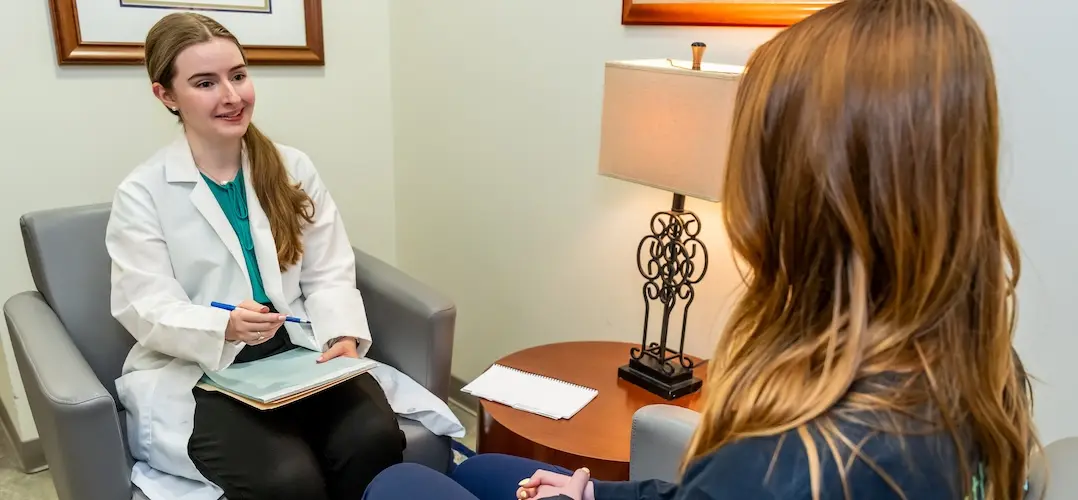
How to Become a Psychiatric Nurse Practitioner: Your Guide to Making a Difference
Discover how to become a nurse practitioner, from earning your graduate degree to obtaining certification and licensure. Learn the steps, career benefits, and opportunities to make a lasting impact on patient care.
Things to Look for When Comparing Online MHA Programs
What makes a strong online MHA program? Learn how to evaluate accreditation, flexibility and career outcomes to find your best fit.
Request More Information
Whether you're curious about The University of Scranton application process, admission requirements, tuition and financial aid, or specific program details, we're here to help.
Fill out this form, and we'll be in touch shortly.
By submitting this form, I am providing my express consent authorizing The University of Scranton and their representatives to contact me by email, phone, or text (including use of automatic dialing system) at the home or cell phone number above. Consent is needed to contact you but is not a requirement to register or enroll. Standard text messaging and/or data rates may apply.