
What to Expect in a Physical Therapy Program
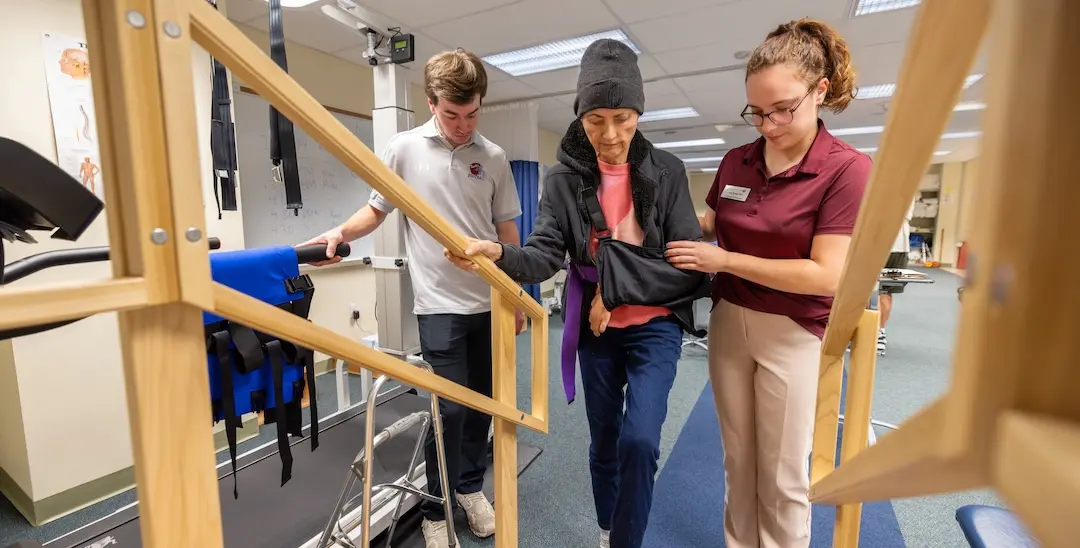
The decision to enroll in a physical therapy program is a major step toward a career devoted to helping patients heal and maximize their quality of life. While DPT programs are deeply rewarding, they’re also academically rigorous and professionally demanding.
Understanding what lies ahead can help you prepare before you get started. If you’re considering a career as a physical therapist, this guide will walk you through the components of a DPT program, from coursework and clinicals to licensure preparation.
The Structure of a Physical Therapy Doctoral Program
Most DPT programs require three years of full-time study in a combination of areas:
- Classroom-based learning
- Lab instruction and simulation
- Clinical experiences
The curriculum is designed to move students progressively from theory to independent clinical practice.
You’ll begin with foundational sciences, transition into clinical reasoning and patient management and then apply your knowledge in real healthcare environments during clinical rotations.
Elevate Your Expertise
Unlock new opportunities and expand your skills with an education designed for your future. Get started today!
Request InformationFoundational Coursework: Establishing Your Core Knowledge Base
The first phase of a DPT program focuses heavily on the science of human movement and health. The coursework is intensive and fast-paced.
Core classes typically include:
- Anatomy (often including cadaver dissection)
- Neuroscience
- Pathology
- Kinesiology
- Pharmacology
- Physiology and pathophysiology
- Therapeutic modalities
Anatomy courses are often among the most demanding early experiences. Students must master detailed structural knowledge while learning how anatomy relates to injury and movement dysfunction.
What surprises many students: The workload resembles that of medical school and other health professional programs, requiring constant studying as opposed to last-minute cramming.
Laboratory Learning: From Theory to Practice
A physical therapy program is hands-on right from the start. Many courses have a laboratory component, which allows students to practice things like:
- Manual therapy techniques
- Patient positioning and transfers
- Gait training
- Use of equipment and assistive devices
- Patient examination and assessment
You’ll work with classmates in small groups, alternating between patient and therapist roles. Lab work will help you develop communication skills and practice interacting with patients.
Clinical Experiences: Learning in Real Healthcare Settings
Clinical education is one of the most valuable aspects of physical therapist education. This component allows students to apply the knowledge and skills learned in the classroom in real-world clinical settings. Students work under licensed physical therapists, helping to treat patients with a wide range of conditions across the lifespan.
Clinical experiences might include short, part-time placements early in the program and months-long, full-time rotations in summers and in the final year.
Outpatient rotations might take place in independent private clinics, hospital-based clinics and sports medicine centers.
For inpatient rotations, students might work in settings like acute care hospitals, skilled nursing facilities, or continuing care retirement communities.
Many students say their most fulfilling moments come during clinicals when they realize they can genuinely help to change someone’s life through rehabilitation.
The key learning during clinical experiences includes:
- Competency in all areas of patient management, from initial evaluation to assessing patients’ progress and outcomes
- Clinical decision-making skills
- Documentation systems
- Communication skills
Academic Rigor: What Makes PT School Challenging
Physical therapy programs are demanding for several reasons.
Heavy Course Loads
Students often take multiple science-heavy courses simultaneously while attending labs and preparing for practical exams. It can be difficult to figure out how to prioritize.
Time Commitment
A typical week may include 20 to 30 hours of class and lab time. You’ll need to study extensively outside class. A single course might require six hours of study per week. You’ll also devote significant time to group projects and case studies.
Continuous Assessment
As a physical therapy student your knowledge and skills will be evaluated frequently through several methods, including:
- Written exams
- Practical skills exams
- Case presentations
- Research assignments
- Clinical performance evaluations
Success requires strong time management and consistent study habits. Also, most programs will require students to maintain a 3.0 GPA to remain in good academic standing.
Preparing for Licensure
All 50 states require physical therapists to be licensed. As part of the licensure process you must pass the National Physical Therapy Examination (NPTE), which is administered by the Federation of State Boards of Physical Therapy (FSBPT). After passing the exam and meeting other state requirements, you can apply for licensure.Preparing graduates to pass the national exam is a major goal of any DPT program. Schools may help students with licensure preparation through practice exams and review sessions.
In The University of Scranton’s DPT program, students are required to take the Academic Practice Exam and Assessment Tool, an examination developed by the FSBPT. Scranton students’ overall pass rates for the NPTE typically range from 98.7% to 100%.
Prepare for a Meaningful Career
Despite the challenges, physical therapy programs are uniquely rewarding. By the time you graduate you’ll possess advanced clinical knowledge and thousands of supervised clinical hours. You’ll be prepared to work professionally as a physical therapist, restoring mobility and helping patients reclaim independence.If you enjoy hands-on learning and want a career that combines science, service and human connection, Scranton’s Doctor of Physical Therapy program may be exactly the opportunity you’re looking for.
Take the Next Step
Your goals are within reach. Now is the time to make your next move and turn ambition into achievement.
Related Content
How to Become a Psychiatric Nurse Practitioner: Your Guide to Making a Difference
Discover how to become a nurse practitioner, from earning your graduate degree to obtaining certification and licensure. Learn the steps, career benefits, and opportunities to make a lasting impact on patient care.

Things to Look for When Comparing Online MHA Programs
What makes a strong online MHA program? Learn how to evaluate accreditation, flexibility and career outcomes to find your best fit.

Where Do Behavior Analysts Work? Exploring ABA Careers
Learn about the field of applied behavior analysis , where behavior analysts work, and how to become certified. Explore Scranton's online programs.
Request More Information
Whether you're curious about The University of Scranton application process, admission requirements, tuition and financial aid, or specific program details, we're here to help.
Fill out this form, and we'll be in touch shortly.
By submitting this form, I am providing my express consent authorizing The University of Scranton and their representatives to contact me by email, phone, or text (including use of automatic dialing system) at the home or cell phone number above. Consent is needed to contact you but is not a requirement to register or enroll. Standard text messaging and/or data rates may apply.