
What is a PMHNP? Understanding This Growing Mental Health Career
Mental health provider shortages continue to affect many communities, creating a growing need for qualified professionals who can deliver compassionate, evidence-based care.
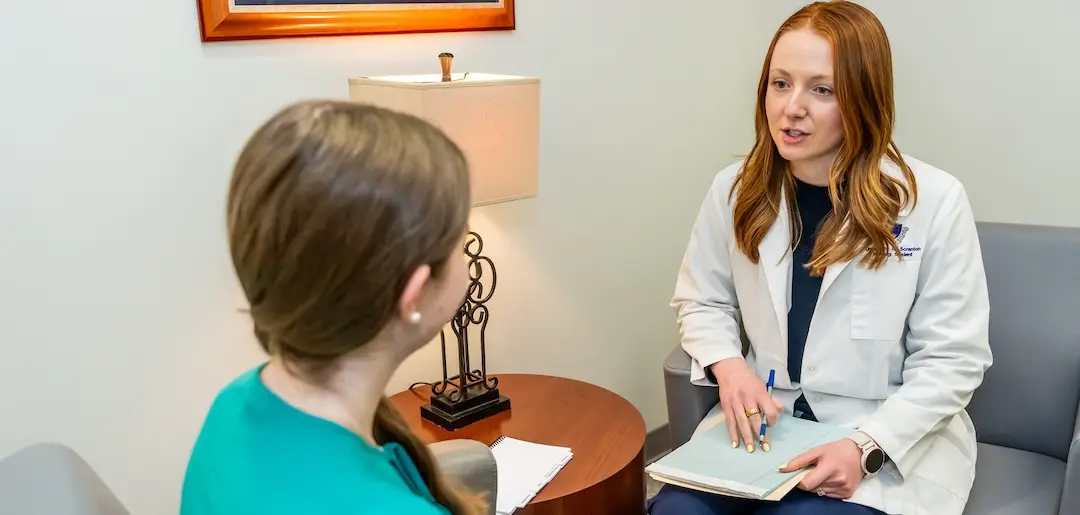
One role helping address this need is the psychiatric-mental health nurse practitioner (PMHNP). PMHNPs are advanced practice registered nurses who assess, diagnose and treat mental health conditions across the lifespan.
For registered nurses interested in advancing their careers and supporting patients' mental well-being, understanding the PMHNP role is an important first step.
What Is a PMHNP?
A psychiatric mental health nurse practitioner is an advanced practice nurse with specialized education and clinical training in mental health care. PMHNPs work with individuals experiencing a wide range of psychiatric and behavioral health conditions, from anxiety and depression to more complex mental illnesses.
Unlike registered nurses, PMHNPs have advanced preparation that allows them to conduct psychiatric evaluations, develop treatment plans, provide therapeutic interventions, and prescribe medications in accordance with state regulations.
PMHNPs care for patients throughout every stage of life. Depending on their practice setting, they may work with children, adolescents, adults, older adults or a combination of patient populations.
As healthcare increasingly recognizes the connection between physical and mental health, PMHNPs have become valuable members of interdisciplinary care teams.
Elevate Your Expertise
Unlock new opportunities and expand your skills with an education designed for your future. Get started today!
Request InformationWhat Does a PMHNP Do?
The responsibilities of a PMHNP vary by setting, but the role focuses on helping patients manage mental health conditions and improve overall well-being.PMHNPs conduct psychiatric assessments, diagnose mental health conditions and develop individualized treatment plans. Care may include medication management, psychotherapy, patient education and referrals to other healthcare professionals when needed. They also monitor patient progress and adjust treatment approaches to support positive outcomes.
In many settings, PMHNPs provide counseling and therapeutic support, helping patients build coping strategies and work toward long-term mental wellness.
Common conditions treated by PMHNPs include:
- Anxiety disorders
- Depression
- Bipolar disorder
- Post-traumatic stress disorder (PTSD)
- Attention-deficit/hyperactivity disorder (ADHD)
- Substance use disorders
- Schizophrenia and related disorders
Where Do PMHNPs Work?
One reason many nurses are drawn to psychiatric-mental health nursing is the variety of career opportunities available.
PMHNPs can work in hospitals, outpatient clinics, community mental health centers, private practices, schools, correctional facilities and healthcare systems. Some provide care in specialized behavioral health programs, while others work within primary care settings where mental health services are integrated into overall patient care.
Telehealth has also expanded opportunities for PMHNPs. Virtual care allows practitioners to connect with patients who may otherwise face barriers to accessing mental health services, including those living in rural or underserved communities.
Because mental health needs exist across every population, PMHNPs can often find practice settings that align with their interests, professional goals and preferred patient populations.
Why Is Demand for PMHNPs Growing?
The demand for mental health services has increased significantly in recent years. More people are seeking support for conditions such as anxiety, depression, trauma and substance use disorders. At the same time, the United States continues to face a significant behavioral health workforce shortage, leaving many communities without enough qualified mental health providers.
PMHNPs help address these gaps in care by providing assessment, diagnosis, treatment and ongoing support for patients across the lifespan. Their advanced clinical training allows them to deliver high-quality psychiatric care in hospitals, clinics, community health centers and other settings, while expanding access for people in rural and underserved areas who might otherwise face long wait times or limited local resources.
Healthcare leaders also recognize the importance of integrating mental health into broader patient care. Research continues to demonstrate that mental health affects physical health outcomes, making access to behavioral healthcare increasingly important across the healthcare system.
For nurses interested in a career that combines clinical expertise with meaningful patient impact, psychiatric-mental health nursing offers strong opportunities for professional growth and service.
What Skills Are Important for PMHNPs?
Successful PMHNPs possess both advanced clinical knowledge and strong interpersonal skills.
Critical thinking is essential when assessing complex patient situations and determining appropriate treatment approaches. PMHNPs must evaluate symptoms, consider multiple factors affecting mental health and make evidence-based clinical decisions.
Communication skills are equally important. Patients often seek care during difficult periods in their lives, making empathy, active listening and clear communication central to effective treatment.
A commitment to ethical practice also plays a significant role. Mental healthcare requires practitioners to approach each patient with respect, compassion and an understanding of the factors influencing their well-being.
Many nursing programs emphasize a holistic view of patient care that considers emotional, psychological, social and physical health. This approach helps future PMHNPs develop the skills needed to support patients as whole persons rather than focusing solely on symptoms.
How Do You Become a PMHNP?
The path to becoming a PMHNP begins with becoming a registered nurse. Most aspiring PMHNPs earn a Bachelor of Science in Nursing (BSN) and obtain RN licensure before pursuing advanced education.
The next step is completing a graduate nursing program that provides specialized preparation in psychiatric-mental health care. Coursework typically includes advanced health assessment, psychopharmacology, psychiatric diagnosis, evidence-based treatment approaches, and mental health care across the lifespan.
Students also complete supervised clinical experiences that allow them to apply classroom knowledge in real-world healthcare settings. After graduating, aspiring PMHNPs typically pursue the Psychiatric Mental Health Nurse Practitioner (Across the Lifespan) Certification (PMHNP-BC) through the American Nurses Credentialing Center (ANCC).
After passing the certification exam, graduates can apply for state licensure. Because licensure requirements vary by state, it's important to review the regulations where you plan to practice.
Preparing for a Career in Psychiatric Mental Health Nursing
Choosing the right educational pathway can help nurses build the knowledge and confidence needed for advanced practice.
Programs designed for working professionals often combine rigorous academic preparation with flexible learning formats that make it easier to balance education with personal and professional responsibilities.
The University of Scranton's online Psychiatric Mental Health Nurse Practitioner program prepares nurses to assess, diagnose and treat mental health conditions across the lifespan. The online PMHNP program emphasizes evidence-based practice, compassionate whole-person care, and leadership in today's evolving behavioral health landscape. Students learn in a flexible online environment that combines meaningful faculty engagement with immersive clinical experiences designed to prepare graduates for ANCC certification and practice.
Rooted in the Jesuit tradition of cura personalis, or care for the whole person, the program encourages future PMHNPs to recognize the many factors that influence mental health while treating every patient with dignity and compassion.
Make a Difference as a PMHNP
A career as a psychiatric-mental health nurse practitioner can be a rewarding path for nurses who are passionate about mental health and want to make a meaningful impact on patients' lives. As demand for mental health services continues to grow, PMHNPs play an important role in expanding access to care and improving outcomes across communities.If you’re ready to advance your nursing career, learn how The University of Scranton can help prepare you to assess, diagnose and treat patients across the lifespan. Explore the Psychiatric Mental Health Nursing MSN today.
Take the Next Step
Your goals are within reach. Now is the time to make your next move and turn ambition into achievement.
Related Content

How to Become a Clinical Rehabilitation Counselor: Steps to Launch a Meaningful Career
Interested in a career in clinical rehabilitation counseling? Check out our guide that covers the education, credentials and skills required.
How to Become a Psychiatric Nurse Practitioner: Your Guide to Making a Difference
Discover how to become a nurse practitioner, from earning your graduate degree to obtaining certification and licensure. Learn the steps, career benefits, and opportunities to make a lasting impact on patient care.

Things to Look for When Comparing Online MHA Programs
What makes a strong online MHA program? Learn how to evaluate accreditation, flexibility and career outcomes to find your best fit.
Request More Information
Whether you're curious about The University of Scranton application process, admission requirements, tuition and financial aid, or specific program details, we're here to help.
Fill out this form, and we'll be in touch shortly.
By submitting this form, I am providing my express consent authorizing The University of Scranton and their representatives to contact me by email, phone, or text (including use of automatic dialing system) at the home or cell phone number above. Consent is needed to contact you but is not a requirement to register or enroll. Standard text messaging and/or data rates may apply.