
How to Become a Clinical Rehabilitation Counselor: Steps to Launch a Meaningful Career

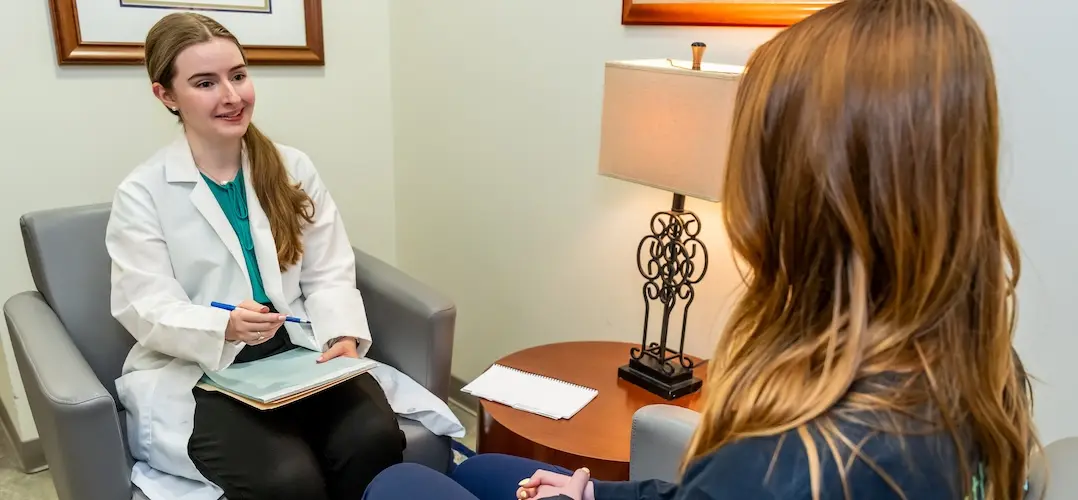
Clinical rehabilitation counselors work with individuals who have physical, developmental, cognitive, sensory, emotional or mental health disabilities. They help clients maximize their independence, improve their quality of life and achieve meaningful educational, independent living and vocational outcomes.
If you’re wondering how to become a rehabilitation counselor, read on to learn about the educational pathway, certification process and interpersonal skills required.
What is the Role of a Clinical Rehabilitation Counselor?
Depending on their work setting, rehabilitation counselors assess clients' strengths, interests and functional abilities to develop individualized rehabilitation or employment plans. They provide counseling and emotional support while coordinating services with healthcare providers, educators and employers.Rehabilitation counselors also help clients develop workplace skills, secure employment and access appropriate accommodations and community resources.
They monitor client progress and adjust rehabilitation plans as needed.
How to Become a Rehabilitation Counselor
As with many healthcare professions, the first step is to complete a bachelor’s degree. While there is no single required major, and in fact rehabilitation counselors come from many different undergraduate backgrounds. Many aspiring clinical rehabilitation counselors, however, study human services, social work, psychology, or related disciplines. An undergraduate degree helps to build foundational knowledge in human behavior, communication and other aspects of the “helping" professions.
Elevate Your Expertise
Unlock new opportunities and expand your skills with an education designed for your future. Get started today!
Request InformationClinical Rehabilitation Counselor Requirements
Complete a Clinical Rehabilitation Counseling Master's Program
A master’s degree is the standard educational preparation for the profession, providing advanced training in areas like:
- Clinical skills in mental/behavioral health
- Employment and disability
- Physical and psychosocial aspects of disability
- Appraisal techniques
- Career and lifestyle development
- The rehabilitation process, from referral through case closure
The University of Scranton offers a 60-credit clinical rehabilitation counseling master’s program that’s offered in both a hybrid model or fully online.
Gain Supervised Clinical Experience
As part of the clinical rehabilitation counseling degree, students also gain hands-on experience through supervised practicum and internship placements, allowing them to apply classroom knowledge in real-world settings with various types of clients.
Pursue Professional Certification and State Licensure
Licensure requirements vary by state and job responsibilities. According to the Bureau of Labor Statistics, positions involving independent clinical counseling or mental/behavioral health services typically require state licensure (Licensed Professional Counselor (LPC).
Licensure usually requires a master’s degree and supervised hours of post-master’s degree clinical experience. Graduates of the Scranton’s Clinical Rehabilitation Counseling program are eligible for professional counselor licensure in Pennsylvania and most other states.
Rehabilitation counselors who provide vocational rehabilitation, workplace supports or job placement may not need a license.
Many employers also value (and some may require) a professional certification like the Certified Rehabilitation Counselor (CRC) or National Certified Counselor (NCC).
Essential Skills for Success
Beyond meeting educational and certification requirements, successful rehabilitation counselors develop strong interpersonal and professional skills, including:
- Active listening and empathy
- Clinical skills
- Critical thinking and problem-solving
- Cultural competence
- Communication and collaboration
- Advocacy
Organization and case management - Ethical decision-making
These skills help counselors build trust with clients while coordinating care across multidisciplinary teams.
How Does The University of Scranton's Clinical Rehabilitation Counseling Program Stand Out?
The University of Scranton's clinical rehabilitation counseling master’s program prepares students to serve individuals with mental, physical, sensory, or chronic-health disabilities through a curriculum that combines academic rigor, ethical practice and practical experience. It is one of only five programs in the Northeast accredited by the Council for Accreditation of Counseling and Related Education Programs (CACREP).Students develop expertise in mental/behavioral counseling, disability services, vocational rehabilitation, assessment and case management while gaining supervised field experience that prepares them for professional practice. The program emphasizes person-centered counseling, social justice, advocacy and evidence-based approaches that reflect the evolving needs of individuals and communities.
Scranton’s program – which is 60 years old -- is the recipient of a five-year federal grant, totaling nearly $1 million, that provides funding for student scholarships and expansion of program access with a fully online version of the program.
Graduates are equipped to pursue counseling careers across a wide range of mental/behavioral health, rehabilitation and human service settings and are academically prepared to pursue professional certification and other credentialing opportunities, depending on applicable certification and state licensure requirements.
The University of Scranton brings attention to the importance of taking care of each client’s mind, body and spirit. Because this perspective resonates with me, I am aware that a client’s psychological state, social support network, physical health and career objectives must all be taken into account in order to provide effective counseling.– Aaron Redis, G'28, clinical rehabilitation counseling MS
Launch a Career That Changes Lives
Learning how to become a rehabilitation counselor is about more than understanding educational pathways—it's about preparing to empower others to reach their goals and participate more fully in their communities.By completing the appropriate education and meeting the other rehabilitation counselor requirements, you can enter a profession dedicated to advocacy, inclusion and life-changing support.
If you're ready to build a career that combines compassion and purpose, the University of Scranton's clinical rehabilitation counseling master's degree can provide the knowledge, practical experience and ethical foundation needed to help individuals with disabilities thrive.
Take the Next Step
Your goals are within reach. Now is the time to make your next move and turn ambition into achievement.
Related Content
How to Become a Psychiatric Nurse Practitioner: Your Guide to Making a Difference
Discover how to become a nurse practitioner, from earning your graduate degree to obtaining certification and licensure. Learn the steps, career benefits, and opportunities to make a lasting impact on patient care.

Things to Look for When Comparing Online MHA Programs
What makes a strong online MHA program? Learn how to evaluate accreditation, flexibility and career outcomes to find your best fit.

Where Do Behavior Analysts Work? Exploring ABA Careers
Learn about the field of applied behavior analysis , where behavior analysts work, and how to become certified. Explore Scranton's online programs.
Request More Information
Whether you're curious about The University of Scranton application process, admission requirements, tuition and financial aid, or specific program details, we're here to help.
Fill out this form, and we'll be in touch shortly.
By submitting this form, I am providing my express consent authorizing The University of Scranton and their representatives to contact me by email, phone, or text (including use of automatic dialing system) at the home or cell phone number above. Consent is needed to contact you but is not a requirement to register or enroll. Standard text messaging and/or data rates may apply.